
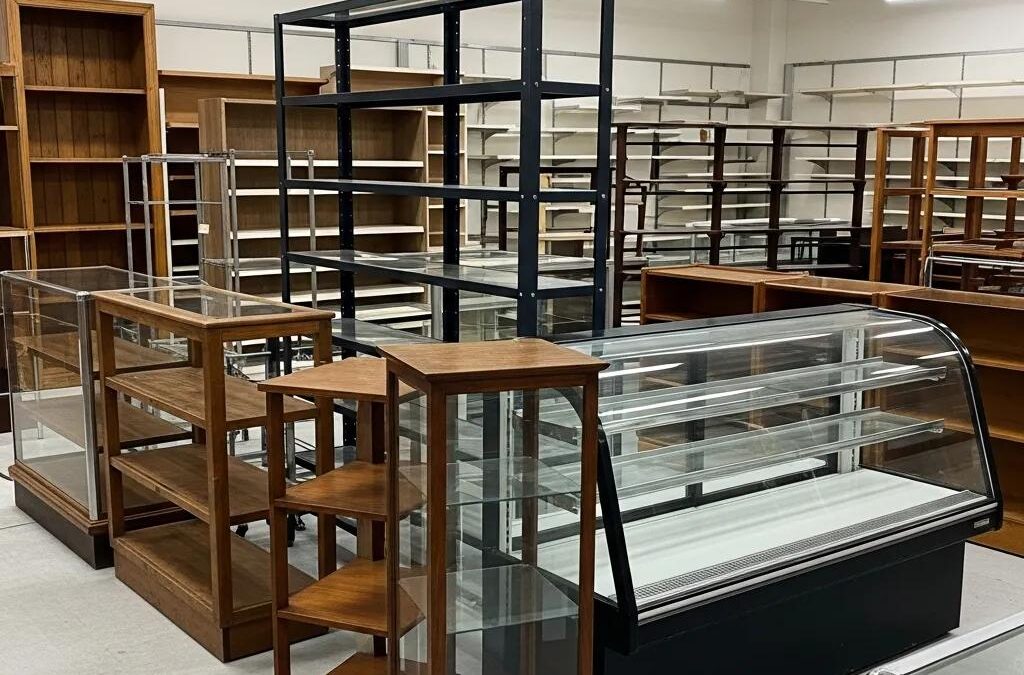
Essential Factors to Evaluate When Purchasing Used Store Fixtures for Your Business

Selecting the right store fixtures affects both operations and visual merchandising. Used fixtures deliver a cost-effective option for businesses that need to improve their retail environment within a budget. This guide outlines the key factors to assess when buying used fixtures so you can make decisions aligned with your commercial objectives. It covers benefits, inspection protocols, style compatibility, supplier sourcing, and maintenance practices to extend service life.
Buying Used Store Fixtures: Essential Factors to Evaluate for Your Business Success
Evaluate a few core factors before purchasing used fixtures to ensure the acquisition supports your operational and commercial goals.
- Functionality and Accessibility : Ensure that the fixtures you choose meet the functional needs of your store layout and customer flow. Accessibility is crucial for enhancing the shopping experience.
- Quality of Materials : Assess the durability and condition of the materials used in the fixtures. High-quality materials will withstand wear and tear, ensuring longevity.
- Aesthetic Alignment : The fixtures should complement your store’s overall design and branding. A cohesive look can enhance customer perception and engagement.
These considerations help you select fixtures that meet immediate needs and contribute to long-term business performance.
What Are the Key Benefits of Purchasing Used Store Fixtures?

Purchasing pre-owned fixtures delivers tangible operational and financial benefits for retailers.
- Cost Savings : Used fixtures are typically much more affordable than new ones, allowing you to allocate your budget to other areas of your business.
- Expert Advice : Many suppliers of used fixtures offer valuable insights and recommendations based on their experience, helping you make informed choices.
- Wide Selection : The market for used fixtures often includes a diverse range of styles and designs, providing you with options that can fit your specific needs.
For businesses looking to update their retail space, these benefits make used store fixtures an efficient and practical choice.
How Do Used Fixtures Offer Cost Savings and Budget Efficiency?
Used fixtures reduce upfront capital expenditure and support tighter budget control for retail fit-outs.
- Affordability : The initial purchase price of used fixtures is generally lower than that of new fixtures, allowing businesses to save money upfront.
- Budget Stretching : With the savings from purchasing used fixtures, businesses can invest in other critical areas, such as marketing or inventory.
- Quality Maintenance : Many used fixtures are still in excellent condition, meaning you can achieve a high-quality look without the high price tag.
Choosing used fixtures helps you manage costs while maintaining a professional store presentation.
Small businesses face amplified effects from fixture cost decisions; a strategic approach balances short-term savings with long-term costs.
Small Business Decisions: Evaluating Store Fixture Costs
Businesses across industries encounter similar decisions, but small enterprises often feel the impact more acutely. The case study of Outstanding Store Fixtures (OSF) offers a practical exercise in decision making, requiring assessment of short- and long-term costs as well as external factors to determine the most suitable solutions.
The Case Study of Outstanding Store Fixtures, 2016
In What Ways Do Used Fixtures Support Sustainable Retail Practices?

Used fixtures contribute to sustainability objectives by reducing the need for new production and limiting waste.
- Reducing Waste : By purchasing used fixtures, businesses help reduce the amount of waste that ends up in landfills, contributing to a more sustainable retail environment.
- Lower Environmental Impact : The production of new fixtures often involves significant resource consumption. Opting for used fixtures minimizes this impact.
- Promoting Circular Economy : Buying used fixtures supports a circular economy, where products are reused and recycled rather than discarded.
Incorporating used fixtures into your retail strategy supports both company objectives and broader environmental targets.
How to Inspect and Assess the Quality of Used Store Fixtures?
A structured inspection process ensures that purchased fixtures are safe, functional, and durable. The following guidelines provide a practical checklist.
- Inspection Criteria : Look for signs of wear and tear, such as scratches, dents, or structural damage. Ensure that the fixtures are safe and functional.
- Quality Assessment : Evaluate the materials used in the fixtures. High-quality materials will typically last longer and perform better.
- Durability Evaluation : Consider how the fixtures will hold up under regular use. Fixtures that are sturdy and well-constructed will provide better value over time.
By following these inspection steps, you can confirm that the used fixtures you select will meet operational requirements.
Verifying quality is essential; regulatory guidelines and industry best practices inform the supply of second-hand goods.
Quality Standards for Second-Hand Goods & Re-use
Assurance measures should be applied in the supply of second-hand goods. Legislation establishes provisions for minimum standards to ensure items are fit for reuse.
Fit for re-use, 2001
What Are the Critical Inspection Criteria for Used Retail Fixtures?
Inspect used fixtures against key criteria to assess suitability for retail use.
- Material Quality : Assess whether the materials are durable and suitable for your retail environment.
- Functionality : Ensure that all components of the fixtures work as intended, including hinges, locks, and shelves.
- Aesthetic Condition : Check for any cosmetic issues that may affect the overall appearance of the fixtures.
Applying these criteria helps determine whether a fixture delivers acceptable value and performance.
Which Materials and Durability Factors Should You Evaluate?
Material selection directly affects longevity and performance. Consider common materials and their service characteristics.
- Tempered Glass : Known for its strength and safety, tempered glass is ideal for display cases and shelving.
- Wood : Offers a classic look but should be checked for signs of warping or damage.
- Metal Frames : Provide durability and stability, making them suitable for high-traffic areas.
Assess these material properties to choose fixtures that will withstand operational demands.
How to Ensure Style Compatibility and Branding with Used Store Fixtures?
Aligning fixtures with your brand identity creates a coherent in-store experience and reinforces your visual strategy.
- Cohesive Look : Choose fixtures that match your store’s overall aesthetic, whether modern, rustic, or traditional.
- Functionality : Ensure that the fixtures not only look good but also serve their intended purpose effectively.
- High-Quality Materials : Opt for fixtures made from quality materials that reflect your brand’s commitment to excellence.
Prioritising style compatibility improves presentation and supports a better customer experience.
How to Match Fixture Styles with Your Store’s Brand Identity?
Matching fixture styles requires clarity on your brand values and the visual tone you wish to convey.
- Visual Appeal : Select fixtures that enhance the visual appeal of your store and resonate with your target audience.
- Brand Representation : Ensure that the fixtures reflect your brand’s personality and values, creating a strong connection with customers.
- Customer Experience : Consider how the fixtures will impact the overall shopping experience, making it enjoyable and memorable.
Consistent style alignment reinforces brand recognition and supports customer engagement.
What Are the Popular Fixture Designs and Their Retail Applications?
Common fixture types each serve specific merchandising needs and store formats.
- Display Cases : Ideal for showcasing products while protecting them from damage.
- Shelving Units : Versatile and essential for organizing merchandise in an accessible manner.
- Racks : Perfect for displaying clothing or other items in a visually appealing way.
Recognising these applications helps you select the appropriate fixtures for your retail operations.
Where to Find Reliable Suppliers for Quality Used Retail Fixtures?
Source suppliers that demonstrate transparency, inventory depth, and a track record of service.
- Supplier Selection : Look for suppliers with a good reputation and positive customer reviews.
- Inventory Variety : Choose suppliers that offer a wide range of fixtures to meet your specific needs.
- Local Pickup Options : Consider suppliers that allow you to inspect fixtures in person before purchasing.
These factors increase the likelihood of sourcing reliable fixtures that meet your specifications.
What Should You Look for in a Trusted Used Store Fixture Supplier?
Use the following criteria when vetting suppliers to reduce procurement risk.
- Inventory Selection : Ensure they have a diverse range of fixtures that meet your needs.
- Pricing : Compare prices to ensure you are getting a fair deal.
- Expertise and Support : Look for suppliers who can provide guidance and support throughout the purchasing process.
Selecting the right supplier improves sourcing efficiency and post-purchase support.
How to Verify Inventory Transparency and Availability?
Confirming inventory details reduces surprises and ensures fit-for-purpose purchases.
- Contact Customer Service : Reach out to ask about inventory availability and any specific questions you may have.
- Visit Showroom : If possible, visit the supplier’s showroom to inspect the fixtures in person.
- Browse Online : Check the supplier’s website for detailed information about their inventory and policies.
These verification steps help confirm that a supplier can meet your operational requirements.
What Maintenance Practices Extend the Longevity of Used Store Fixtures?
A routine maintenance programme preserves appearance and function, reducing total cost of ownership.
- Regular Cleaning : Keep fixtures clean to maintain their appearance and functionality.
- Repair Techniques : Address any minor damages promptly to prevent further deterioration.
- Material Care : Follow specific care instructions for different materials to ensure they remain in good condition.
Implementing these practices will help you maximise the service life of your fixtures.
How to Maintain and Repair Common Used Fixture Materials?
Effective maintenance depends on material-specific methods and timely intervention.
- Repair Methods : Use appropriate techniques for fixing damages, such as wood glue for wooden fixtures or specialized cleaners for glass.
- Material-Specific Care : Follow guidelines for cleaning and maintaining different materials to prevent damage.
- Longevity Tips : Regularly inspect fixtures for wear and address issues before they become significant problems.
Apply these maintenance recommendations to keep used fixtures functional and visually appealing.
What Are Best Practices for Fixture Upkeep to Maximize Durability?
Consistent upkeep reduces repair costs and preserves fixture performance over time.
- Routine Checks : Regularly inspect fixtures for any signs of wear or damage.
- Proper Usage : Ensure that fixtures are used as intended to prevent unnecessary strain.
- Storage Conditions : Store fixtures in a suitable environment to protect them from damage when not in use.
Following these practices will help your fixtures serve the business reliably for years.
Frequently Asked Questions
What types of businesses benefit most from purchasing used store fixtures?
Small and medium-sized retailers, thrift stores, startups, and temporary retail operations benefit most. These businesses typically operate with tighter budgets or require flexible solutions, making used fixtures a cost-effective way to improve presentation while preserving capital.
How can I ensure the used fixtures I purchase are safe for my customers?
Conduct a thorough pre-purchase inspection. Check for structural damage, sharp edges, and loose components. Request the fixture history and any repair records. Test moving parts such as hinges and locks. Prefer suppliers that follow safety standards and can provide documentation.
What are the common mistakes to avoid when buying used store fixtures?
Avoid failing to measure your space, neglecting material quality and durability checks, overlooking style compatibility with your brand, and not researching suppliers. These errors can lead to extra costs and poor merchandising outcomes.
How can I effectively negotiate the price of used store fixtures?
Prepare by researching comparable market prices. Use visible imperfections or required repairs as negotiation points. Be professional and assertive, consider bundling items for a better rate, and build rapport with the supplier to improve outcomes.
What are the best ways to transport used store fixtures after purchase?
Plan transport according to size and weight. Use an appropriate vehicle such as a truck or van. Protect fixtures with blankets or bubble wrap and secure them with straps to prevent movement. For large or heavy items, engage professional movers experienced with retail fixtures.
Can I customize used store fixtures to better fit my brand?
Yes. Many fixtures can be painted, refinished, or fitted with branding elements like decals or signage. Ensure modifications do not compromise structural integrity or functionality. Consult a retail design professional when necessary to maintain quality.
Conclusion
Investing in used store fixtures can improve your retail environment while delivering cost savings and sustainability benefits. Evaluate functionality, material quality, and aesthetic alignment to make informed acquisitions that support your business objectives. Explore our curated selection of quality used fixtures to find the right fit for your store and begin upgrading your retail space.