
Choosing the Perfect Display Table for Your Retail Space: A Comprehensive Guide

By abdi mahdi, A & M Store Fixtures
Selecting the right display table is essential for improving product visibility and creating an engaging shopping environment. Display tables act as focal points that attract customers and promote interaction with merchandise. This guide explains the factors to evaluate when choosing a display table so your retail space remains both functional and visually coherent. It covers the role of display tables, selection criteria, merchandising tactics to maximise sales, types of tables, and budgeting considerations.
Guide to Choosing the Perfect Display Table for Retail Spaces
Display tables are central to retail merchandising: they present products clearly and influence shopper behaviour. They enhance the store’s visual appeal and make it easier for customers to examine merchandise. Recognising their importance is the first step toward designing a retail environment that supports sales.
1. Understanding the Importance of Display Tables
Display tables increase product visibility and help create memorable shopping experiences. Strategic placement guides customer circulation and highlights priority items, which can raise interaction and sales. Well designed tables also communicate brand identity and values, making them a key element of store layout.
2. Key Considerations for Selection
Several factors determine whether a display table will meet the operational and visual needs of your retail space.
Size and Space
Evaluate your store footprint and circulation when choosing table dimensions. Select a size that fits the area without impeding movement. Account for product dimensions and aisle width; an appropriately sized table optimises space use and customer comfort.
Material and Design
Choose materials and finishes that align with your brand aesthetic and operational requirements. Common options—wood, metal and glass—offer distinct looks and durability profiles. Wood conveys warmth, metal suggests a contemporary, industrial tone, and glass enhances visibility. Material choice affects appearance, maintenance and perceived quality.
Functionality
Match table form to merchandising function. Rectangular tables suit broad assortments; square tables create compact focal points; interactive tables invite tactile engagement. Identify the functional role a table must fulfil and select the shape and features accordingly.
| Type of Display Table | Ideal Use | Benefits |
|---|---|---|
| Rectangular Tables | General merchandise | Versatile and spacious |
| Square Tables | Smaller items | Compact and easy to arrange |
| Interactive Tables | Customer engagement | Encourages interaction |
The table above summarises common table types and their typical uses to inform selection decisions.
3. Enhancing Merchandising with Display Tables
Thoughtful merchandising increases the impact of display tables. Arrange products to create clear focal points and use signage to direct customer attention. Thematic displays tied to promotions or events can elevate engagement. Strategically executed tables create a dynamic environment that supports conversion.
Research highlights the influence of strategic visual merchandising on store design and consumer behaviour.
Strategic Visual Merchandising for Retail Store Design & Layout
This study examines the growing importance of visual merchandising as customers shift to online channels. Focusing on consumers, it sought to identify the visual merchandising elements that affect the South African apparel retail sector. The primary objective was to determine elements from both retailers' and consumers' perspectives to inform store design and planning. The research contributes a set of strategic visual merchandising elements that apparel retailers can apply to retail strategies. Incorporating these elements can improve visual merchandising proficiency and enhance the impact on store layout and design, including when planning new stores.
Visual merchandising elements: Drivers of retail strategies?, MC Cant, 2020
4. Common Mistakes to Avoid
Retailers frequently make avoidable errors with display tables. Overloading tables overwhelms customers and reduces impact. Neglecting routine maintenance—cleaning or repairs—diminishes presentation. Poor attention to customer flow can yield cluttered layouts that impede navigation.
5. Maximizing Sales with Effective Strategies
To increase sales, apply targeted table strategies. Interactive displays invite exploration; cross-merchandising complementary items on the same table drives additional purchases. Regularly refresh displays with new or seasonal merchandise to keep the store appealing and encourage repeat visits.
A and M Store Fixtures supplies a selection of new and used display tables suited to varied merchandising requirements. The range covers multiple styles and price points, enabling retailers to identify solutions that match their store aesthetic and budget.
6. Care and Maintenance
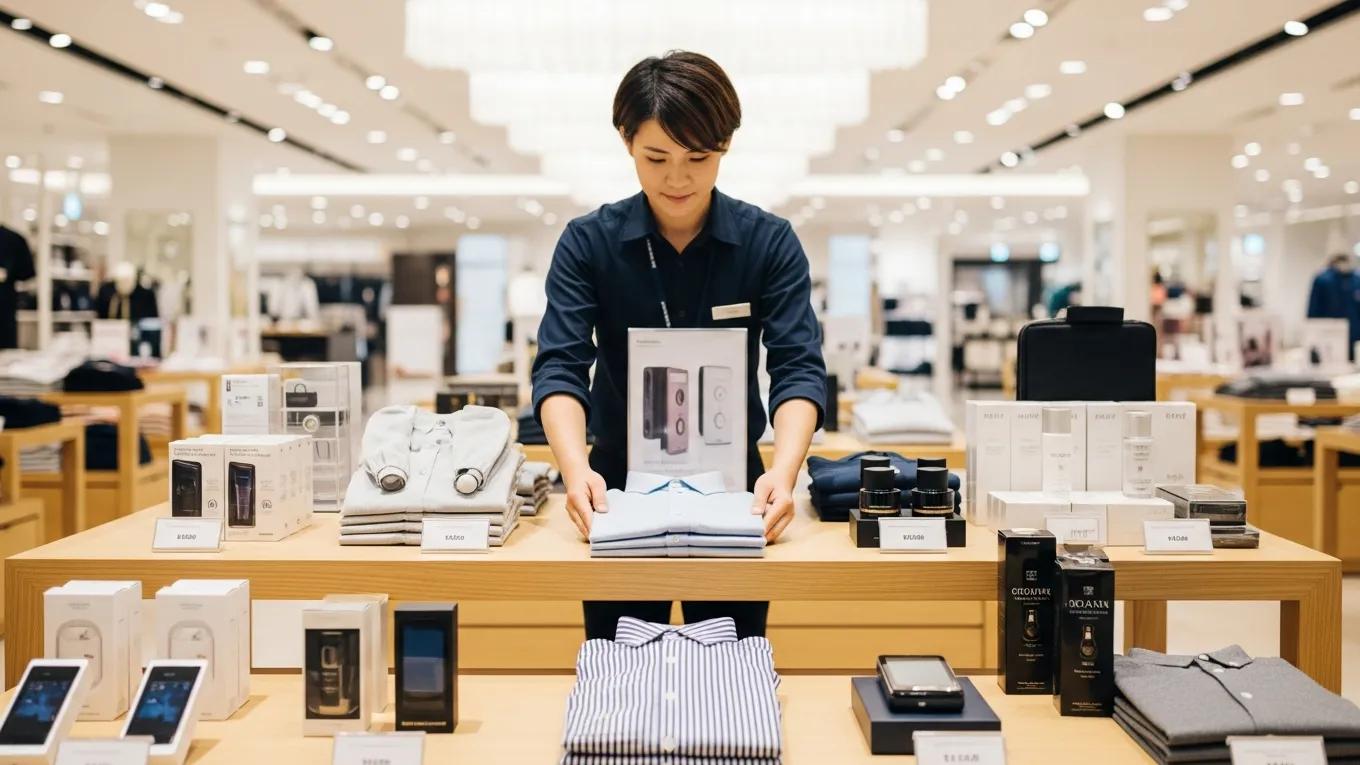
Routine care preserves appearance and function. Regular cleaning maintains a polished presentation; periodic inspections identify damage before it worsens. Protective coverings can extend service life in high-traffic areas.
What Are the Key Types of Retail Display Tables and Their Uses?

Recognising table types and their applications enables informed purchasing. Each style serves a distinct merchandising purpose and can enhance the customer experience.
How Do Different Display Table Styles Support Retail Merchandising?
Different styles support specific merchandising goals. Rectangular tables display broad assortments; square tables create compact focal points; interactive tables promote tactile engagement, which can lead to higher conversion.
Which Display Tables Are Best Suited for Boutiques and Pop-up Shops?
Boutiques and pop-up shops benefit from tables that reflect their brand identity. Rustic wooden tables suit craft-oriented retailers; modern metal tables complement fashion-forward boutiques. Lightweight, reconfigurable tables are advantageous for pop-ups that require flexible layouts.
How to Select the Right Material and Finish for Your Retail Display Table?
Select materials and finishes to match your store concept and operational needs. High-end boutiques often favour glass or polished wood; casual formats may choose durable metal or laminate. Consider aesthetics alongside maintenance and longevity.
What Are the Benefits and Drawbacks of Wood, Metal, and Glass Materials?
Common materials present trade-offs in appearance, durability and maintenance.
- Wood : Offers warmth and aesthetic appeal but may require more maintenance.
- Metal : Durable and modern but can be heavy and less versatile in design.
- Glass : Provides a sleek look and enhances visibility but can be fragile and requires careful handling.
Assessing these trade-offs helps retailers select the material best aligned with operational priorities and brand presentation.
How Do Sustainable and Modular Materials Influence Retail Fixture Trends?
Sustainability and modularity are shaping fixture trends. Eco-friendly materials meet growing consumer expectations, while modular systems deliver design flexibility for changing assortments and promotions. This shift reflects a wider industry focus on environmental responsibility and adaptability.
What Size and Layout Considerations Optimize Your Retail Space with Display Tables?
Table dimensions and placement materially affect store performance.
How to Choose the Right Display Table Size for Maximum Product Visibility?
Choose table dimensions that optimise visibility without dominating the space. Oversized tables can overwhelm; undersized units may fail to showcase products. Measure available floor area and product sizes to determine the appropriate scale.
What Are Effective Layout Strategies for Arranging Display Tables to Boost Sales?
Effective layouts create clear circulation paths and draw attention to merchandise. Use tiered displays to leverage vertical space and signage to highlight priority items. Thoughtful arrangement encourages exploration and increases dwell time.
Should You Choose New or Used Retail Display Tables? Pros and Cons Explained
Compare the benefits and limitations of new versus used tables to determine the best commercial value for your operation.
What Are the Cost Benefits and Quality Considerations of Used Store Fixtures?
Used fixtures deliver cost savings for budget-sensitive retailers. Confirm condition and material quality to ensure they meet standards for durability and presentation.
How to Evaluate Condition and Suitability When Buying Used Display Tables?
Inspect used tables for structural integrity, finish condition and functionality. Look for signs of wear or damage that could affect safety or appearance.
How to Budget and Plan Your Investment in Retail Display Tables?
Allocate budget for display tables as part of your fixture planning process.
What Are Typical Price Ranges for New and Used Retail Display Tables?
New display tables vary by material and design; prices commonly start around $100 and can exceed $500. Used tables typically range from $50 to $300, depending on condition and style.
How to Balance Cost and Quality for Optimal Store Fixture Investment?
Balance upfront cost with expected lifespan. Prioritise durable materials where frequent use is anticipated; this reduces replacement costs and supports a superior customer experience.
What Styling and Merchandising Tips Enhance Your Retail Display Tables?
Well styled tables amplify merchandising effectiveness and influence purchase decisions.
How to Use Display Tables to Create Attractive and Functional Store Layouts?
To create attractive, functional layouts, coordinate colours, apply themed displays and place products strategically. Feature new arrivals or seasonal collections prominently to maintain visual interest.
What Are Innovative Store Fixture Ideas to Showcase Merchandise Effectively?
Innovative fixture concepts—theme-driven presentations, interactive demonstrations or digital touchpoints—can create urgency and deepen engagement. Such elements elevate the shopping experience and differentiate the store.
Frequently Asked Questions
What factors should I consider when choosing the height of a display table?
Table height affects reachability and visibility. Standard heights range from 30 to 36 inches; select lower tables for children's products. Ensure the height integrates with the overall layout to allow comfortable browsing.
How can I effectively use lighting to enhance my display tables?
Lighting is essential for highlighting table merchandise. Use spotlights or accent lighting to create focal points; warm tones feel inviting, while cooler tones complement modern displays. Avoid harsh overhead light that casts strong shadows. Test angles and intensity to identify the optimal setup.
What are some creative ways to theme my display tables for seasonal promotions?
Theming for seasons boosts customer engagement. Choose a cohesive colour palette—pastels for spring or warm tones for autumn—and add seasonal props such as pumpkins or flowers. Feature complementary products and clear signage to make the theme both attractive and informative.
How often should I update my display tables to keep the store fresh?
Refresh displays regularly to sustain customer interest. Aim to update every 4 to 6 weeks, and increase frequency during peak shopping periods. Rotate new arrivals, seasonal items or promotional products and adjust arrangements to present a refreshed visual experience.
What are the best practices for arranging products on display tables?
Arrange products to maximise visibility and ease of interaction. Group similar items, vary heights with risers, place attention-grabbing pieces front and centre, and leave sufficient space to avoid overcrowding.
How can I incorporate customer feedback into my display table strategy?
Use customer feedback to refine your display strategy. Gather input via surveys, comment cards or conversations and observe which displays attract attention. Adjust layouts to prioritise popular items and themes; this customer-centred approach improves engagement and satisfaction.
Conclusion
Selecting the appropriate display table enhances product visibility and the overall shopping environment. By assessing size, material and functionality, retailers can improve customer engagement and sales. Quality fixtures convey brand identity and optimise store layout. Discover our diverse range of display tables today to elevate your retail space.